
Reviews
Part of Reviewing startup funding routes before providers, with eligibility as a hard gate
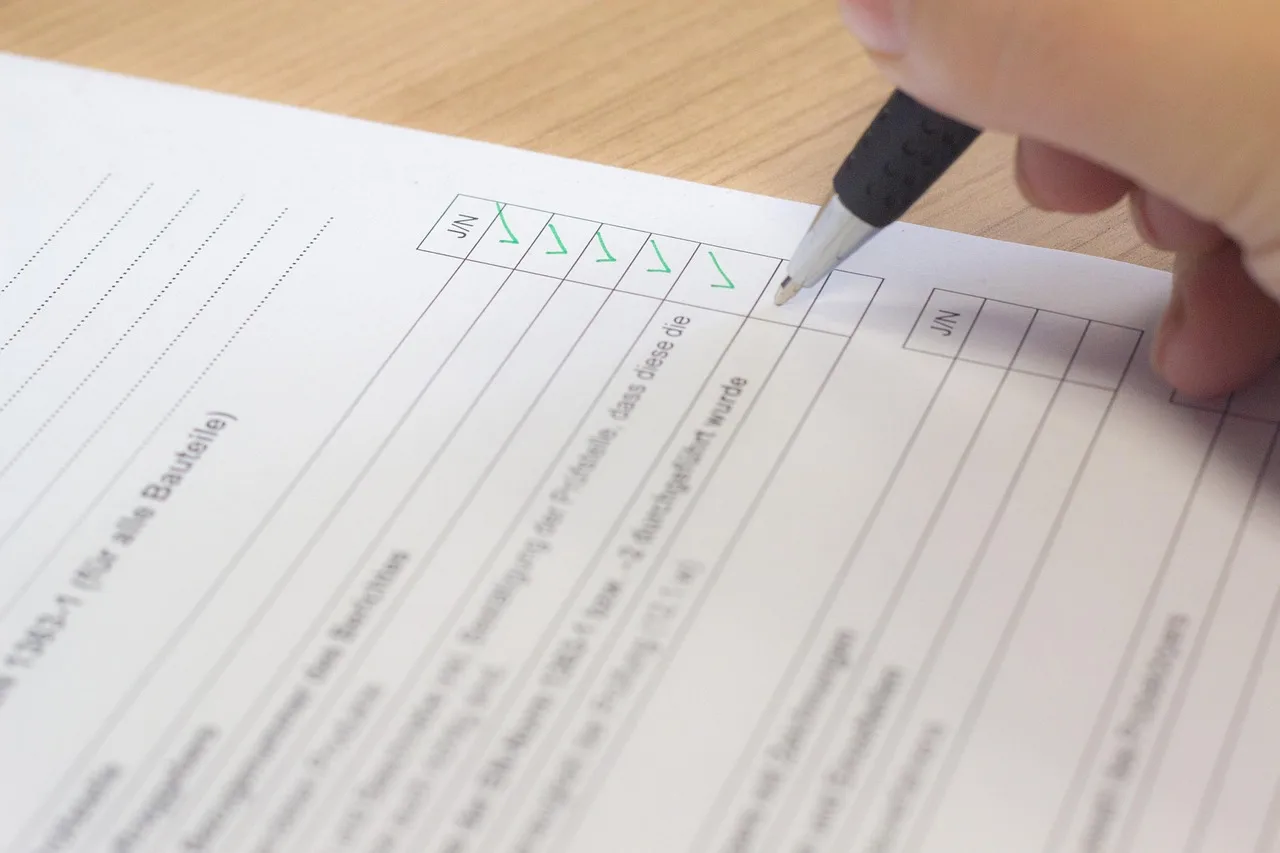
Startup funding selection checklist before applying
Use this startup funding selection checklist to assess eligibility, provider identity, total terms, application evidence and risks before applying.
Use this startup funding selection checklist before asking for quotes or completing a funding form. It is designed to expose a poor route early, when the company can still change course without losing weeks of founder time.
What to take away
- Define the funding job by cash needed, timing and acceptable dilution or liability.
- Check eligibility rules and verify the provider before sharing sensitive information.
- Calculate the whole bargain including fees, dilution, match funding and internal time.
- Test the process for evidence, decision stages and downside scenarios.
- Record the decision and keep a second route warm if delay threatens payroll.
Define the funding job
- Write the minimum cash needed, preferred amount and latest safe receipt date.
- Tie the money to named activities, milestones and a monthly cash forecast.
- Mark which spending can wait and what the company will do if funding arrives late.
- Decide whether repayment, founder liability or ownership dilution is acceptable.
The British Business Bank Finance Finder distinguishes routes using purpose, amount, duration, profitability, assets, stage, sector and place. Those are useful screening fields even if the company chooses another source.
Funding job numbers
- Minimum cashneeded
- Preferred amounttarget
- Latest safe receipt datedeadline
Check route eligibility
- Confirm geography, legal form, business age, sector and trading-history rules.
- Match the proposed use of money to the product or competition wording.
- Record excluded costs, required company contribution and prohibited activities.
- Save the official rule page, version or access date.
For an innovation grant, inspect the live competition rather than relying on an adviser's summary. Innovate UK guidance says the applicant must read the full eligibility, scope and instructions for the chosen competition.
Route eligibility checks
- Confirm geography, legal form, business age, sector, trading history
- Match proposed use to product or competition wording
- Record excluded costs, required contribution, prohibited activities
- Save official rule page, version or access date
Verify the provider
- Match the brand to a legal entity and registered address.
- Search Companies House for filing status and officers.
- Search the FCA Register where authorisation may matter.
- Confirm who supplies the money, who advises and who receives fees.
- Use contact details from an independently located official record when fraud is suspected.
Neither incorporation nor FCA status is a service-quality score. Check that the actual activity and trading name match the record.
Calculate the whole bargain
- Estimate gross funding, every cash deduction and expected net receipt.
- For debt, model monthly payments, total interest, fees, security and guarantees.
- For equity, calculate the fully diluted stake and read shareholder rights.
- For grants, model match funding, eligible cost timing, claims and reporting work.
- Price internal staff time, adviser time, legal work and accounting support.
For any loan offer, record its stated amount, rate, term, fees and liability structure from the current written terms. Compare the total cost and exposure, not a headline rate alone.
Test the process
- Ask for the evidence list, stages, decision owner and realistic timetable.
- Distinguish an advertised fastest decision from the likely end-to-end receipt date.
- Check withdrawal, rejection, appeal, complaint and early-settlement routes.
- Identify obligations after funding, including claims, covenants and investor reporting.
- Run a downside case in which sales are lower and funding arrives a month late.
Make and record the decision
Write the chosen route, rejected alternatives, evidence, assumptions and approval. Add a stop date for any uncertain application and keep a second route warm if delay could threaten payroll. Have an accountant, solicitor or authorised adviser review the terms where their expertise is needed.
Prepare the application file
- Keep the approved business plan, cash forecast and source assumptions together.
- Name the person responsible for each financial, technical and market claim.
- Reconcile figures across the form, accounts, forecast and pitch materials.
- Store submitted versions, provider messages and decision notices with access controls.
- Calendar expiry dates, conditions, claim points and reporting obligations.
Stop if a provider requests an unexplained payment, uses contact details that differ from an official record or presses for a decision before supplying terms. Verify the approach independently. A genuine deadline may be firm, especially for a public competition, but urgency does not remove the need to establish the counterparty and read the agreement.
Before you act
- Write minimum cash, preferred amount and latest safe receipt date.
- Confirm geography, legal form, business age, sector and trading history.
- Match the brand to a legal entity and registered address.
- Estimate gross funding, every cash deduction and expected net receipt.
- Ask for the evidence list, stages, decision owner and timetable.
- Keep the approved business plan, cash forecast and source assumptions together.
Common questions
What should a founder define before seeking funding?
Write the minimum cash needed, preferred amount and latest safe receipt date. Tie the money to named activities, milestones and a monthly cash forecast. Mark which spending can wait and what the company will do if funding arrives late. Decide whether repayment, founder liability or ownership dilution is acceptable.
How can a founder verify a funding provider?
Match the brand to a legal entity and registered address. Search Companies House for filing status and officers. Search the FCA Register where authorisation may matter. Confirm who supplies the money, who advises and who receives fees. Use contact details from an independently located official record when fraud is suspected.
What should be included in calculating the whole bargain?
Estimate gross funding, every cash deduction and expected net receipt. For debt, model monthly payments, total interest, fees, security and guarantees. For equity, calculate the fully diluted stake and read shareholder rights. For grants, model match funding, eligible cost timing, claims and reporting work. Price internal staff time, adviser time, legal work and accounting support.